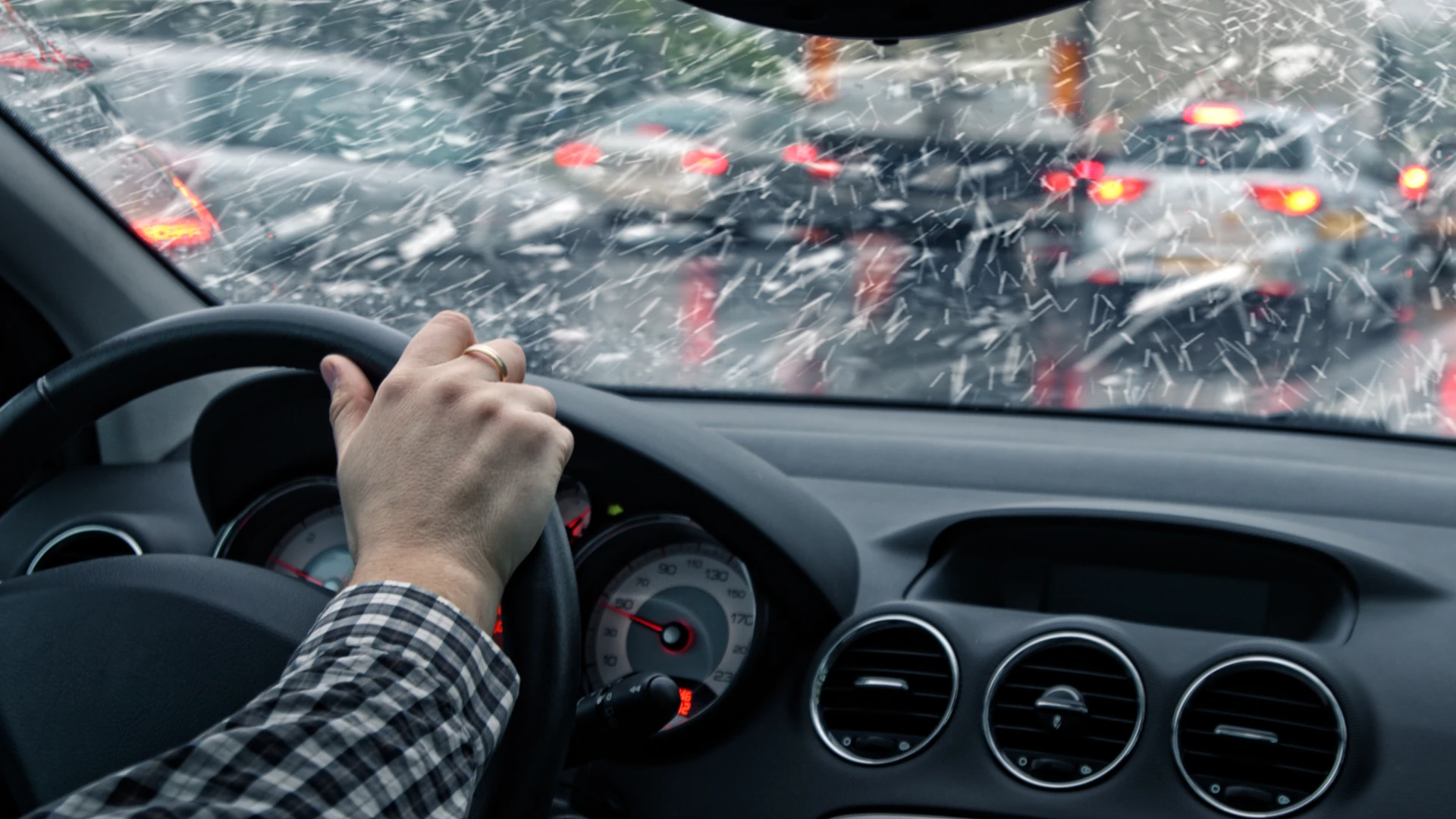
Weather in Missouri changes stopping distance in critical ways that greatly impact vehicle control and overall safety on the road. Missouri’s famously unpredictable weather means drivers must always be ready for rapid transitions—from clear, dry pavement to rain, snow, or ice—that drastically alter traction and stopping ability. Understanding how weather affects stopping distance in Missouri is crucial for every driver, whether you’re new to driving or highly experienced. Driving habits that work well on dry roads often become unsafe when conditions shift suddenly. By learning how weather in Missouri changes stopping distance and traction, you can better adjust speed, following distance, and driving techniques to enhance safety, prevent accidents, and reduce stress behind the wheel.
Why Missouri Weather Impacts Stopping Distance
Missouri road conditions and stopping distance are closely connected because weather directly influences tire grip and vehicle control. Stopping distance is the total distance your vehicle travels to come to a full stop after braking, combining two elements: thinking distance (distance traveled while reacting) and braking distance (distance after applying brakes). The impact of Missouri weather on vehicle stopping distance is substantial as wet, snowy, or icy roads reduce traction—the essential grip tires have on road surfaces.
- Wet roads decrease tire grip: Rain forms a thin water layer between tires and pavement, increasing hydroplaning risks and substantially lengthening braking distances.
- Snow and ice severely reduce traction: Frozen roads are slippery, making it difficult for tires to get a firm grip, often causing long stopping distances during Missouri winter weather.
- Extreme heat impacts tire performance: While hot asphalt can soften tires somewhat, sudden heavy summer rainstorms are more dangerous by quickly changing road conditions from safe to hazardous.
Because Missouri’s weather can shift without warning, drivers frequently encounter unexpected differences in stopping distance. Recognizing this vital link between weather and traction helps you avoid surprises and adjust your driving safely.
Key Principles for Safe Driving When Weather in Missouri Changes Stopping Distance
1. Slow Down Early — Speed Is the Biggest Factor
Speed is the most significant factor affecting stopping distance in all conditions. On dry roads, your stopping distance at a given speed may feel predictable, but rain, snow, or ice can quickly double or even triple it. This is especially important when approaching intersections and roundabouts, where controlled speed and steady traction are essential for safe entry and smooth circulation. That’s why stopping distance guidance for Missouri drivers consistently stresses reducing speed early when weather conditions change.
Example: At 40 mph on dry roads, your stopping distance is roughly 120 feet. In heavy rain or icy conditions, that distance can exceed 240 feet. Slowing down by just 5–10 mph gives you more control, more reaction time, and a larger safety buffer, which is critical when yielding, merging, or exiting a roundabout in poor weather.
Experienced-driver guidance for Missouri rain and winter driving reinforces that lower speeds are key to managing extended stopping distances. This is particularly true near roundabouts, where entering too fast reduces traction, limits visibility of circulating traffic, and increases the risk of skidding or sudden braking. Slowing early allows you to stay predictable, maintain grip, and move through roundabouts safely and confidently, even in challenging conditions.
2. Increase Following Distance Beyond the Two-Second Rule
The standard two-second following distance works well in dry weather but isn’t safe when weather changes. Missouri weather changes and safe driving distances mean increasing this gap to four seconds or more in wet, snowy, or icy conditions. This extra space gives you more time to detect hazards and stop safely.
Why it’s important: Reduced traction leads to longer stopping distances, so if the car ahead brakes suddenly, you’ll need more room to avoid collisions. A larger following distance also reduces stress and improves your ability to anticipate road changes.
This is especially important for new drivers, as weather-related stopping distance for new drivers in Missouri often catches novices off guard. Maintaining extra space is a vital safety habit.
3. Understand How Traction Changes with Different Weather
Traction varies significantly based on precipitation and road conditions, affecting Missouri road conditions and stopping distance:
- Rain: Water lowers friction, causing tires to slip. Light rain has minimal effect, but heavy rain or puddles increase hydroplaning risk, drastically increasing stopping distance.
- Snow: Fresh snow slows vehicles naturally, but compacted snow and slush are very slippery, making braking and steering more difficult.
- Ice: Black ice is the most dangerous—it’s hard to see and offers nearly zero traction, leading to the longest stopping distances during Missouri winter weather.
Understanding these traction differences helps you know when to be extra cautious and adjust your driving accordingly.
4. Recognize Missouri’s Sudden Weather Shifts
A hallmark of Missouri weather is its rapid changes—bright mornings can quickly turn into afternoon thunderstorms or sudden winter freezes. These quick changes strongly influence how weather affects stopping distance in Missouri, as roads can switch from dry to slick in minutes.
Tip: Always check current weather forecasts before driving and stay alert for signs like darkening clouds, wet pavement, or frost. This vigilance helps you anticipate hazards early.
5. Don’t Rely Solely on Your Brakes
Modern vehicles often have anti-lock braking systems (ABS), which help maintain steering control during hard braking but do not reduce stopping distances on ice or snow. On slippery roads, brakes alone cannot guarantee quick stops.
Best practice: Use gentle braking combined with smooth steering and early, gradual speed reduction. Avoid sudden or harsh braking, which can cause skidding and loss of control.
6. Avoid Common Mistakes When Roads Appear Safe
Many accidents happen because drivers assume road safety based on appearance:
- Driving at normal speeds on roads that look dry but may hide ice or frost.
- Following vehicles too closely in rain or snow.
- Accelerating too quickly after stopping, causing tires to lose grip.
Understanding that appearances can be deceiving is core advice in the experienced drivers guide to Missouri stopping distances in rain and snow and essential for new drivers.
7. Use Proper Tires and Maintain Them
Tires are critical for controlling stopping distance amidst Missouri weather changes. While all-season tires offer versatility, winter tires provide superior grip in snow and ice.
Tire maintenance tips:
- Check tread depth regularly to maintain traction.
- Keep tires inflated to recommended pressure.
- Replace worn or damaged tires promptly.
Proper tires improve control and shorten stopping distances— especially important in adverse weather.
8. Give Yourself Extra Time — Preparation Beats Reaction
One of the most effective stopping distance tips for Missouri drivers in bad weather is allowing extra travel time. Leaving earlier means you can reduce speed and increase following distance without feeling rushed.
Given Missouri’s changeable weather, sometimes the safest choice is to delay travel until conditions improve or to drive cautiously regardless of schedule.
Reflecting on Safer Driving Habits for Missouri Roads
Weather in Missouri changes stopping distance and traction in ways that can challenge even seasoned drivers. The key to safety is understanding these effects and adjusting driving habits accordingly. At St. Charles County Driving School, our driving lessons focus on helping students recognize how weather impacts control so they can make safer decisions in real-world conditions. Slowing down early, increasing your following distance, and understanding how rain, snow, and ice reduce traction provide the time and control needed to avoid accidents.
Every driver benefits from calm, prepared driving, especially with Missouri road conditions that can shift quickly. Through hands-on instruction and guided practice, St. Charles County Driving School helps drivers of all experience levels understand how weather-related stopping distance changes affect everyday driving. By respecting how weather in Missouri changes stopping distance, you contribute to safer roads for yourself and others.
Quick Reminder Guide for Missouri Drivers Facing Weather Changes
- Reduce speed early when rain, snow, or ice appear—speed greatly increases stopping distances.
- Double or triple your following distance beyond two seconds in poor weather.
- Stay alert for sudden weather shifts that rapidly alter road surfaces.
- Avoid sharp braking and sudden maneuvers on slippery roads to prevent skidding.
- Maintain your tires regularly for optimal traction.
- Give yourself extra travel time to avoid rushing in bad conditions.
- Never assume the road is safe based on appearance—hidden ice and slick spots are common in Missouri.
By adopting these principles and understanding the impact of Missouri weather on vehicle stopping distance, all drivers, new and experienced alike, can better prepare for the challenges Missouri’s changing weather brings—making every trip safer and less stressful.